
The short answer
A travel advisor who specializes in corporate groups handles venue sourcing, hotel group contracts, activity and experience curation, and logistics coordination, the full planning layer, not just flight booking.
This is different from corporate travel management (TMC) services. Travel Squad Vacations does not manage day-to-day individual business travel. This practice is exclusively for groups: retreats, offsites, incentive programs, and large-group events.
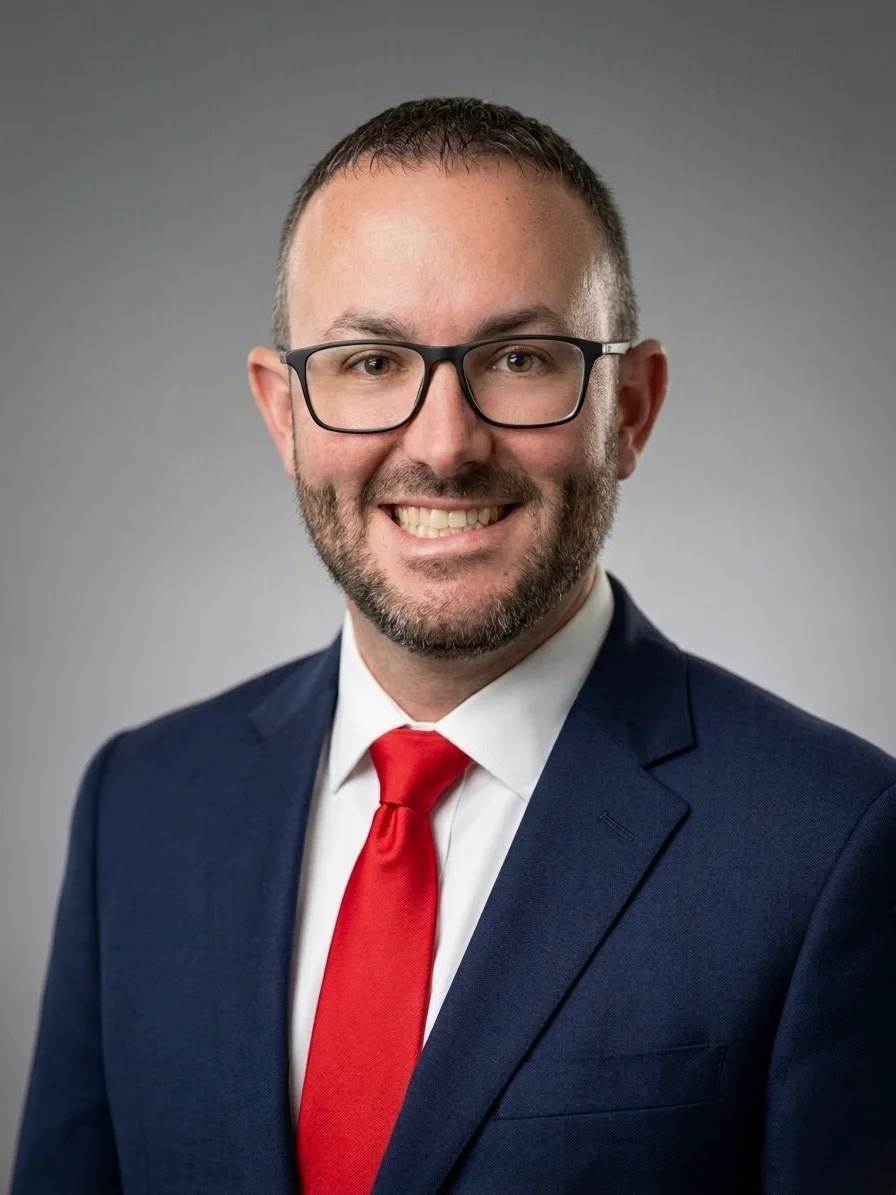
Group contracts at hotels and resorts unlock rates, room blocks, F&B minimums, and meeting space that are not available through standard booking channels. The right venue depends on the group's goals, a leadership alignment offsite needs different infrastructure than a sales kickoff or a President's Club reward trip. Eric Riley leads this practice at Travel Squad Vacations, working with groups of 12 and up.
What Travel Squad Vacations handles (and what we don't)
Included. Corporate retreats, leadership offsites, board retreats, management alignment meetings, department retreats. Executive offsites for small senior leadership groups, C-suite planning sessions, and strategic off-sites. Sales kickoffs, annual sales meetings, national sales conferences, and regional team gatherings at hotels and resorts. Incentive travel programs including President's Club, top-performer reward trips, and performance-based group travel. Award dinners and milestone celebrations, company anniversaries, achievement recognition events, and hosted group experiences. Multi-day group hotel programs covering room blocks, F&B, meeting space, group activities, and excursions. Nonprofit group travel, including fundraising cruises for nonprofits and donor appreciation getaways for 501(c) organizations.
Not included. Day-to-day individual corporate travel management, flights, individual hotel bookings, expense management, and travel policy administration. AV production, convention center management, and large-scale conference production. This practice is for group experiences, not travel policy management. Being clear about that upfront is part of the work.
What is MICE travel, and where TSV fits
MICE stands for Meetings, Incentives, Conferences, and Exhibitions/Events. It is the standard industry shorthand for corporate group travel programs.
Travel Squad Vacations handles the M, I, and E: Meetings (retreats, offsites, sales kickoffs), Incentives (President's Club and performance-based reward travel), and Events (award dinners, milestone celebrations, hosted group experiences). Large-scale conference production, the C, sits outside this scope. We do not run convention centers, manage exhibition halls, or produce trade-show booths.
The distinction matters for corporate buyers. TSV is a group experiences agency for corporate clients, not a corporate travel management company. A TMC manages individual business travel, expense policy, and day-to-day flight bookings. We design and operate the group programs themselves. Knowing the difference up front helps procurement teams scope vendors correctly, and avoid asking one vendor to do the other vendor's job.
How the planning process works
1. Discovery call. We start by understanding the group size, goals, investment range, preferred region, and timeline. The core question: what does success look like for this retreat? A leadership alignment offsite has a different answer than a sales kickoff or a donor thank-you trip, and that answer drives every downstream decision.
2. Venue sourcing. We identify hotel and resort options with the right meeting space, room-block capacity, F&B infrastructure, and activity access. Not just what's available on the dates, what actually fits the group's goals. A board retreat needs quiet, private breakout rooms; a President's Club trip needs wow-factor amenities; a sales kickoff needs a large general-session ballroom with reliable AV.
3. Group contract negotiation. Room-block rates, F&B minimums, complimentary rooms, meeting-space inclusions, and attrition clauses. This is where advisor relationships and volume matter. Individual bookers don't get these terms because hotels don't extend them outside their group-sales channel. A poorly structured attrition clause can turn into a five-figure penalty if the final room pickup falls short of the original block.
4. Experience and activity curation. Team-building activities, group excursions, evening events, and milestone moments tailored to the group's culture and goals. Not a menu of options, specific recommendations based on the group. The best incentive trips include moments people are still talking about a year later, and those moments rarely come from a hotel's default activity catalog.
5. Logistics coordination. Room lists, rooming assignments, arrival and departure coordination, dietary requirements, and on-site contact management. These are the details that fall through the cracks when someone is planning a retreat on top of their day job, and they are also the details attendees notice first when something goes wrong.
6. On-site support. Eric is available as the point of contact for issues that arise during the program, flight delays, room changes, last-minute dietary substitutions, so the organizer can be present with their team instead of standing in the lobby on the phone with a hotel front desk.
Who this is for
The HR director or VP of People planning an annual leadership retreat or all-hands offsite. You need it done right without adding it to an already full plate, and you need a partner who will not require constant management.
The executive assistant tasked with finding a venue and coordinating logistics for a C-suite planning session or board retreat. You may have never done this before, and you do not want to learn by failing in front of the leadership team.
The VP of Sales running the annual sales kickoff or President's Club reward trip. You want the experience to feel earned and memorable, not just a hotel block and a dinner reservation. Our full breakdown of how reward trips work lives in our incentive travel planning guide.
The nonprofit executive director organizing a group fundraiser cruise or donor appreciation trip for 20 to 100 supporters. You need someone who understands group contracts and nonprofit financial parameters, and who can route the program through fundraising cruises for nonprofits when that is the right fit.
Destinations that work well
U.S. domestic. Florida (Tampa, Orlando, Miami), Nashville, Scottsdale, Napa and Sonoma, and Colorado mountain resorts. Strong for leadership retreats, sales kickoffs, and board meetings where short flight times and predictable logistics matter.
Caribbean all-inclusives. Jamaica, Mexico (Cancún and the Riviera Maya), and Punta Cana. Strong for incentive programs and President's Club trips where the all-inclusive structure simplifies planning the investment and the resort itself does most of the wow-factor work.
Cruises. Group cruise buyouts and hosted group sailings for incentive programs and nonprofit fundraisers. Cruises solve the group-logistics problem elegantly: one check-in, one unpacking, multiple destinations, and a built-in venue for evening events.
International. Flexible based on group goals, Eric works with groups traveling anywhere in the U.S. and internationally. If you want to compare tour companies and cruise lines before deciding on a group format, that page is a useful starting point.
Advisor perspective, Eric Riley
Eric Riley leads the corporate, incentive, and nonprofit group practice at Travel Squad Vacations. The work is specific. It is not individual corporate travel management. It is not large-scale convention production. It is group experiences, the meetings, the incentive trips, the milestone events that people remember as having been planned well.
The first question Eric asks every corporate client is the same: What does success look like at the end of this retreat? The answer to that question, alignment on a strategy, recognition of top performers, a meaningful thank-you to donors, a culture moment for a newly merged team, is what drives venue choice, activity design, and the texture of every evening event. Without that answer, a retreat becomes a hotel block with a dinner reservation. With it, the program does actual work for the organization that funded it.
If you are scoping a corporate retreat, an executive offsite, an incentive trip, or a nonprofit donor program, the right starting point is a 20-minute discovery call. From there, Eric can return two or three venue and program directions within a week, and the rest of the process moves from there.